You must be wondering what is filming? Movies are a fun, creative art that help people share stories with the world. Many people dream about acting on big Hollywood stages, but few know how filming truly works or how to start. This blog will help you understand filming, the different movie genres, and clear steps to help you try for a Hollywood acting role.
Let’s have a look:
Table of Contents
What Is Filming?
Filming is the exciting, detailed process of recording video and sound to create a movie, TV show, or online series. Filming is the amazing, creative process of making movies, shows, videos, and digital stories. When people talk about filming, they are talking about everything that happens from the moment a story is written to the moment the final movie appears on a screen. Many people think filming is only pointing a camera at actors, but the real work is much bigger, deeper, and more organized.
What Does Filming Mean?
Filming is the careful, detailed process of recording moving pictures and sound to create a finished movie or video. It blends art, technology, teamwork, and imagination. At the heart of filming is one main goal: to take a story and bring it to life for the audience. When filmmakers plan a project, they focus on three big stages:
- Pre-Production; planning
- Production; shooting
- Post-Production; editing and finishing
Each stage uses skilled, trained people who work together like one big, creative team. Here are the detailed description of the stages of filming:
Stage 1: Pre-Production (The Planning Stage)
Pre-production is the important, organized beginning of filming. This stage happens before any camera starts rolling. It sets the foundation for the entire film. During pre-production, the team:
- writes and rewrites the script
- chooses locations for scenes
- designs costumes and props
- hires actors and crew
- plans the budget
- creates a detailed shooting schedule
Think of pre-production as the blueprint of a house. Without a strong plan, the film will not move smoothly.
Stage 2: Production (The Shooting Stage)
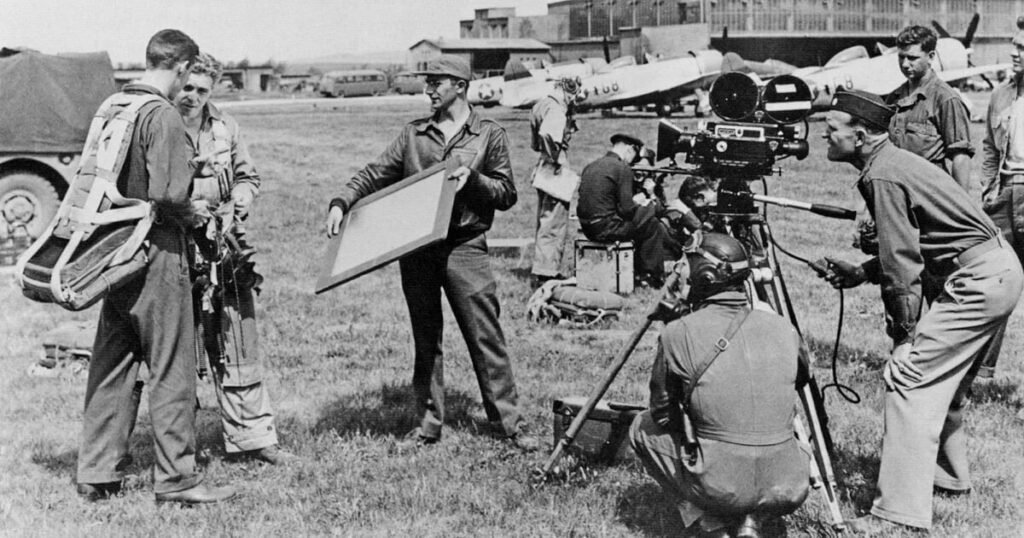
Production is the busy, exciting moment when the actual filming happens. This is the part most people imagine when they think about making movies.
During production, you will see:
- actors performing scenes
- directors giving instructions
- camera crews filming shots
- lighting teams shaping the mood
- sound teams recording voices
- makeup artists preparing actors
Each shot is filmed many times to make sure it looks perfect. The production stage requires patience, teamwork, and focus.
Stage 3: Post-Production (The Editing Stage)
Post-production is the final, important step where all parts of the film come together. This stage can take several months, depending on the movie.
During post-production, teams:
- edit the footage
- add music and sound effects
- adjust color and lighting
- add special effects
- mix voices and background sounds
This stage turns raw video clips into a polished, finished movie ready for theaters, TV, or streaming platforms.
What is the History of Filming?
The history of filming is a rich, fascinating journey that shows how humans learned to turn pictures into moving stories. Long before modern movies existed, people were already trying to capture motion. In the early 1800s, inventors created simple devices that showed quick drawings spinning in circles to make them look like they were moving. These early tools were the first small steps toward real film. Following image shows the history of filming:
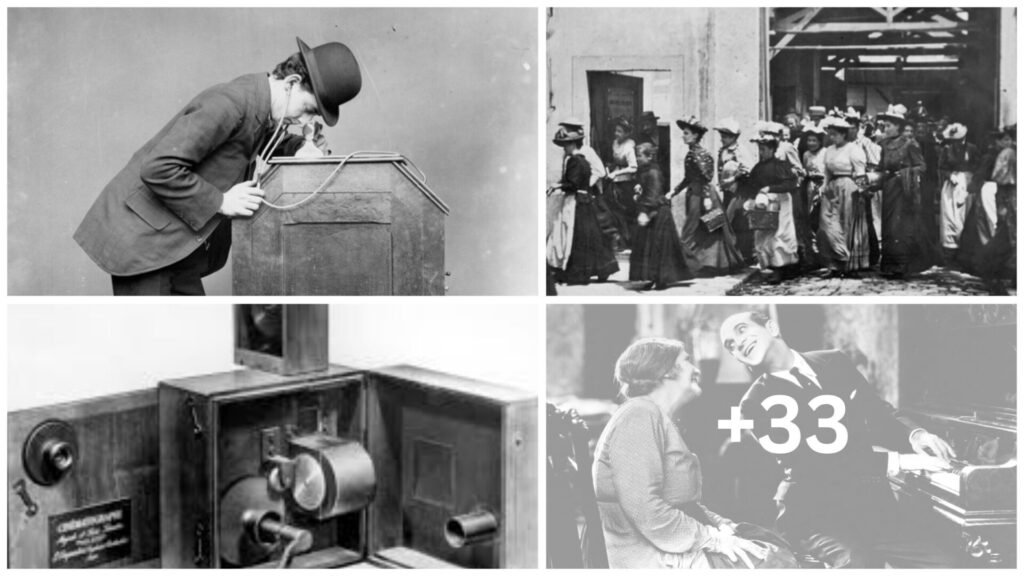
Following is the detailed history of filming year wise, each year filming progress is explained:
1800-1891
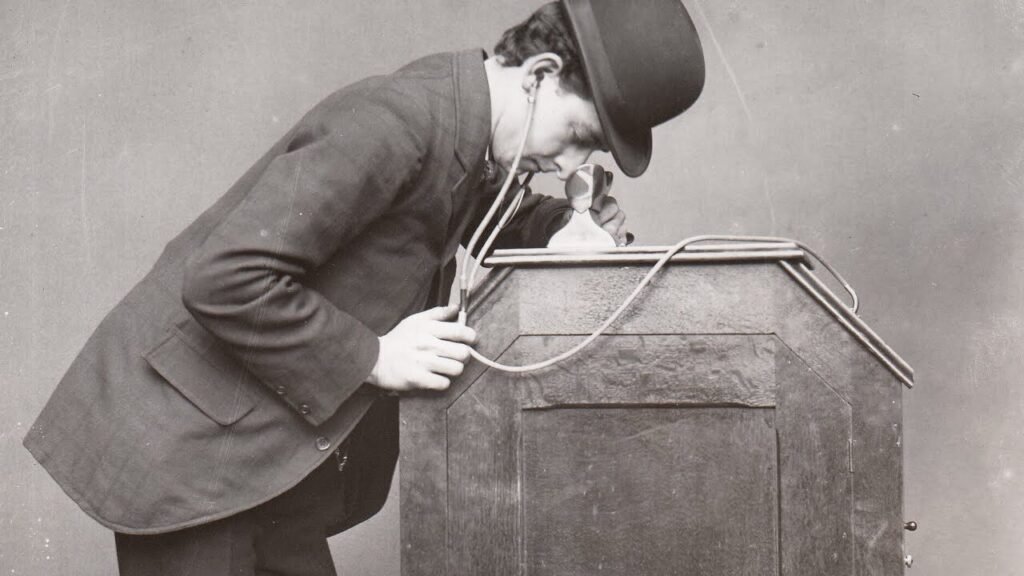
The true beginning of filming started in the late 1800s. In 1891, Thomas Edison and his team introduced the Kinetoscope, a machine that allowed people to watch short moving clips through a small window. Around the same time, French brothers Auguste and Louis Lumière created the Cinématographe, a device that could record, develop, and project movies onto a screen. In 1895, they held one of the first public movie screenings, surprising people with moving images of trains, workers, and city life. This moment is often called the birth of cinema.
From 1900
As the early 1900s arrived, filmmakers started telling longer stories. Silent films became very popular, with actors using expressions and actions instead of spoken words. One of the most famous silent filmmakers was Charlie Chaplin, who brought humor and emotion to millions of viewers.
1920-1930
By the late 1920s, movies started including sound. The release of The Jazz Singer in 1927 marked the shift from silent films to “talkies,” changing the film world forever. Soon after, color filming followed, bringing even more life and creativity to the screen.
1940-1950
By the 1940s and 1950s, Hollywood grew into a major film center, known for its glamorous stars and big productions.
Present
In the decades that followed, filming kept improving. Special effects, computer graphics, digital cameras, and advanced editing tools allowed filmmakers to create worlds that once seemed impossible. Today, filming continues to evolve with streaming platforms, 3D technology, and high-quality digital tools, allowing stories to reach people all over the world.
The history of filming shows how human imagination has grown over time. What began as simple moving pictures has become a powerful global industry that entertains, teaches, and inspires people everywhere.
Who Works in Filming?
A movie is never made by one person. It takes a large, talented group of people with different skills. Here are the most important jobs:
Director
The director is the smart, artistic leader who guides the entire movie. They decide how each scene should look, sound, and feel to match the story’s vision.
Producer
The producer is the organized, responsible manager who handles money, schedules, and contracts. They make sure the film has what it needs and stays on track from start to finish.
Screenwriter
The screenwriter is the creative, thoughtful storyteller who writes the script. They develop characters, build dialogue, and shape the world of the movie on paper.
Actor
Actors are the skilled, expressive performers who bring characters to life. They study scripts, practice emotions, and work with the director to make scenes feel real. Actor in the hollywood insutry includes Jenniffer Lawrance, Chris Martin, Nicholas Hoult, Gillian Vigman, Wendy Kaufman, Erica Shaffer, Stephanie Courtney, and many more, you can see the all details here: https://actingexcellent.com/celebrities/hollywood-celebrities/
Camera Operator
The camera operator is the focused, steady technician who films each shot.
They control angles, movement, and focus to capture the director’s vision.
Editor
The editor is the patient, detail-oriented artist who pieces the movie together.
They cut scenes, adjust timing, and shape the story so it flows smoothly for viewers.
Sound Designer
The sound designer is the creative, careful audio expert who builds the film’s sound world.
They add music, effects, and background noises to set the mood and emotion.
What is the Importance of Filming?
Filming is more than just making movies; it is a powerful, creative process that allows people to tell stories, share ideas, and connect with audiences around the world. Through filming, filmmakers can express emotions, convey messages, and explore different aspects of life in ways that books or music alone cannot. Every movie, short film, or documentary is a combination of images, sounds, acting, and storytelling that brings ideas to life.
Filming Entertains and Educates
Filming is also important because it entertains and educates. Movies can make people laugh, cry, or think deeply about personal and social issues. They can inspire change, teach lessons, and introduce audiences to new cultures and perspectives. For example, documentaries often show real-life events and experiences that help viewers understand complex topics in a clear, visual way.
Filming Creates Jobs and Supports the Industry
Another major reason filming matters is that it creates jobs and supports a global industry. Filmmaking involves a large team of people, including directors, producers, screenwriters, actors, camera operators, editors, and sound designers. Each of these roles requires specialized skills, and every project helps people earn a living while contributing to a creative product. The film industry is a significant part of many countries’ economies, providing employment and opportunities for growth in creative fields.
Filming Encourages Teamwork and Collaboration
Filming also encourages teamwork and collaboration. Making a movie requires people with different skills to work together toward a shared vision. From planning scenes and designing sets to editing footage and mixing sound, every step depends on collaboration. This teamwork not only improves the quality of the film but also teaches valuable lessons about communication, leadership, and problem-solving.
Filming Preserves Memories and Culture
Finally, filming preserves memories and culture. Movies capture moments in time, tell historical stories, and reflect the values of societies. They can influence future generations, record important events, and celebrate creativity in all its forms. Without filming, many stories and ideas would remain unseen and unheard.
How To Get a Role in Hollywood?
Hollywood can feel big, competitive, and confusing, but you can take small and steady steps to begin your acting journey. Many famous actors started with no experience at all. What matters most is your training, your dedication, and your willingness to keep learning. Here is a simple and clear roadmap to help you move toward your Hollywood dream.
Learn Basic Acting Skills
The first step is learning the basic acting skills that help you perform naturally on camera. You can take acting classes at local studios, community colleges, or online platforms. Even you can raad the blogs from the acting excellent they provide great acting tips, as well guide how to do acting, how to act normal, In these classes, you learn important skills like voice control, character emotion, body movement, and script reading. These abilities help you become a confident and flexible actor who can handle different roles and scenes. The more you practice these skills, the stronger and more believable your acting will become.
Build a Strong Acting Resume
Once you start learning, you need to build an acting resume that shows your experience. Acting requires a resume just like any other job. You can add your acting classes, community theater work, school plays, student films, or even short video projects you create on your own. Every small project you complete shows that you are growing, improving, and taking your craft seriously. A good resume helps casting directors see your commitment, even if you are just starting out.
Create a Simple Demo Reel
After gaining some experience, you should create a simple demo reel. A demo reel is a short video that shows your acting ability and personality on camera. Casting directors use this video to understand how you look, sound, and perform. A good reel should be short, usually one to two minutes long, with clear sound, clean lighting, and your best scenes. It is better to have a short and strong reel than a long and unfocused one.
Join Casting Websites
To find real opportunities, you should join casting websites that list auditions for new actors. Sites like Backstage, Casting Networks, and Actors Access are popular and trusted in the film industry. When you join these platforms, you can upload your photos, your acting resume, and your demo reel. You should check these sites regularly because new auditions appear every day, and being early can help you get noticed.
Find a Good Agent (When Ready)
As you gain experience, you may be ready to work with a professional acting agent. A good agent helps you get bigger auditions and more serious roles. Agents usually look for actors who have some training, a clear demo reel, consistent work, and a professional attitude. It is important to remember that real agents do not ask for money upfront. They only earn money when you get paid for a job. If someone wants you to pay first, they are not a legitimate agent. If you want to know where to find the good agent then click here: https://actingexcellent.com/acting-agents-near-me/
Audition Often
Auditioning is one of the most important parts of becoming an actor. Each audition helps you practice your skills, meet casting teams, and learn how the industry works. Even if you do not get the role, every audition helps you build confidence and gain experience. Many actors audition many times before landing their first role, so staying patient and positive is very important.
Move Closer to Film Cities (Optional but Helpful)
While not required, moving closer to major film cities can give you more opportunities. Cities like Los Angeles, Atlanta, New York, and Vancouver have many film and television projects happening all year long. You do not need to move right away, but living near these cities can make it easier to attend auditions, network with people in the industry, and find more acting work. Many actors move when they feel ready and confident in their skills.
What Are Movie Genres?
Movie genres help us understand what type of story a movie will tell. A genre is a simple category that groups movies with similar moods, styles, and themes. When you know the genres, it becomes easier to choose the movies you enjoy and understand how filmmakers create different emotions. Genres also guide actors, writers, and directors as they build their stories.
Movie genres are groups that organize films based on story type, tone, and visual style. They help audiences know what to expect before watching. For example, some genres make you laugh, while others make you feel scared, excited, or emotional. Each genre has its own unique features that make it different from the rest.
Below are the most popular film genres, explained:
- Action Movies: Action movies are fast, thrilling films filled with movement and excitement. They often include fights, chases, explosions, and brave heroes facing danger. These movies are made to keep the audience alert and entertained from start to finish.
- Comedy Movies: Comedy movies focus on humor and aim to make viewers laugh. They include funny situations, silly characters, and light-hearted stories. Comedies are great for people who want to relax and enjoy something cheerful.
- Drama Movies: Drama movies tell emotional stories about real-life problems and relationships. They explore deep feelings and serious situations. These films often show characters learning lessons or overcoming challenges.
- Romance Movies: Romance movies focus on love, connection, and personal relationships. They show how two people meet, grow closer, and deal with problems in their relationship. These films are sweet, hopeful, and filled with emotion.
- Horror Movies: Horror movies are designed to scare the audience. They use dark settings, strange noises, and surprising moments to create fear and suspense. These films are perfect for viewers who enjoy mystery and thrills.
- Adventure Movies: Adventure movies take viewers on exciting journeys to new places. They often include quests, travel, discoveries, and brave characters. Adventure films make you feel like you are exploring the world along with the heroes.
- Science Fiction (Sci-Fi) Movies: Science fiction movies explore futuristic ideas, space, advanced technology, and worlds that may not exist yet. They include robots, spaceships, and scientific possibilities. Sci-fi films make viewers imagine what the future could look like.
- Fantasy Movies: Fantasy movies take place in magical worlds filled with mythical creatures, spells, and heroes. They are full of imagination and wonder. These films allow viewers to escape reality and enjoy stories that feel magical and exciting.
- Mystery Movies: Mystery movies center on solving secrets, crimes, or puzzles. They keep viewers guessing with clues, twists, and surprising endings. Mystery films challenge the audience to figure out the truth before the characters do.
- Family Movies: Family movies are made for people of all ages. They have simple stories, positive messages, and friendly characters. These films are fun, heartwarming, and perfect for children and adults to enjoy together.
How To Choose Your Genre as an Actor?
Choosing your genre as an actor is an important, creative decision that can shape your entire acting career. A genre is a category or style of storytelling, like action, comedy, drama, or fantasy. Every actor has natural strengths that fit certain types of stories, and understanding your personality, skills, and preferences helps you identify the genres where you can shine. Choosing the right genre can make you feel confident, improve your performances, and open more opportunities in Hollywood or other film industries.
Explore Different Genres
The first step is exploring different movie and TV genres to see what feels exciting and comfortable for you. Watch films in various styles, from high-energy action movies to emotional dramas, magical fantasies, and suspenseful thrillers. Notice which stories inspire you, which characters you connect with, and which scenes make you feel confident performing. This exploration gives insight into your natural strengths and preferences. For example, you might notice that you are drawn to fast, dramatic adventures or enjoy fun, cheerful stories that make people laugh.
Assess Your Personality and Strengths
Your natural personality and abilities often determine which genres suit you best. Some actors are bold, energetic, and physical, making them perfect for action or adventure roles. Others are expressive, gentle, and emotional, which works well for romance or drama. If you enjoy humor and timing, comedy may be the ideal genre for you. If imagination excites you, science fiction or fantasy could allow your creativity to shine. Matching your skills and personality with the right genre helps you feel natural, confident, and authentic on camera.
Practice Scenes in Different Genres
Practicing scenes in multiple genres is a great way to discover where you excel. Acting in drama, comedy, horror, or romance allows you to explore different emotions and techniques. Recording yourself can show which performances feel strong and which ones need improvement. You may notice that dark, mysterious moments in horror movies suit your style, or that your expressions work well in light-hearted comedy. Practicing across genres also improves your flexibility and prepares you for a wider range of roles.
Seek Feedback from Experts
Another key step is asking for feedback from teachers, acting coaches, or classmates. Professionals often see strengths you may not notice yourself. They can advise if your voice projects better in drama, if your timing is perfect for comedy, or if your expressions shine in romantic scenes. Constructive feedback helps you focus on your natural talents, identify areas for improvement, and choose the genre where you are most likely to succeed.
Be Open to Change
Your preferred genre may change over time as you gain experience. Many actors start in one category and later find a new genre that excites them more. Trying new roles allows you to explore different aspects of your skills, discover hidden talents, and keep your career dynamic. Choosing a genre is not about limiting yourself; it is about understanding your strengths and building a career that highlights your creativity and passion for acting.
Tips for Choosing Your Genre
Choosing the right genre as an actor is an important step in building a strong and successful career. Here are some detailed tips to help you make the best choice.
Tip 1: Watch a Variety of Films
The first tip is to watch a variety of films. Watching movies in different genres allows you to see the types of stories, characters, and emotions that inspire you. Pay attention to which films make you feel excited, curious, or emotionally connected. Notice the types of roles that catch your attention and think about which characters you would enjoy playing. This exploration will help you identify the genres that naturally suit your style.
Tip 2: Analyze your Personality
Next, analyze your personality. Every actor has unique traits that work better in certain types of films. If you are bold, energetic, and confident, action or adventure roles might fit you well. If you are thoughtful, emotional, and expressive, you may excel in drama or romance. Understanding your natural strengths helps you focus on genres where you can perform authentically and comfortably.
Tip 3: Practice and Record yourself
Another important step is to practice and record yourself in different genres. Acting in front of a camera lets you see which styles feel natural and which ones feel forced. For example, you might notice that your comedic timing works best in light-hearted scenes or that your expressions are strongest in intense drama. Recording yourself also helps you track your improvement over time and build confidence in your performance.
Tip 4: Get professional feedback
Get professional feedback from acting teachers, coaches, or experienced actors. They can provide guidance on your strengths and areas for improvement. Feedback can help you see which genres highlight your talent and which ones might require more practice. Constructive advice gives you a clear understanding of where you shine and how to grow as an actor.
Tip 5: Experiment with roles
Finally, experiment with different roles. Don’t be afraid to try characters outside your comfort zone. Playing a variety of roles allows you to discover hidden talents, expand your skills, and understand which genres you enjoy most. Even if a role feels challenging at first, experimenting can open new opportunities and help you grow as a versatile actor.
By following these tips, you can choose a genre that matches your abilities, personality, and interests. The right genre helps you feel confident, stand out during auditions, and focus your training on the roles you are most likely to succeed in. Choosing your genre is not a limitation; it is a way to create a clear path for growth, improvement, and long-term success in acting.
Tip 6: Building Your Own Knowledge of Genres
To grow as an actor, it is important to study different movie genres with purpose. Understanding the unique elements of each genre helps you perform better and develop versatility. The more you know about how different stories are told, the easier it is to find your strengths and adapt to different roles. Here are some practical steps to build your knowledge.
- Watch Movies With Attention
- Read Scripts
- Practice Scenes
- Join Film Groups and Communities
FAQ’s
What is filming in Atlanta right now?
Major productions currently filming in Atlanta include the final season of Stranger Things (Season 5). The city also continues to host multiple other film and TV projects thanks to Georgia’s production boom.
What is filming in Los angeles right now?
Major productions currently filming in Los Angeles include “Mission: Impossible 9” and various network TV series. The city remains a constant hub for film and television shoots year-round.
What is filming in Pittsburgh right now?
Several TV series and films, including the TV drama “Mayfair Witches” (Season 2), are currently filming in Pittsburgh. The city remains a popular filming destination due to its tax incentives and versatile urban and historic locations.
Can I act in Hollywood without formal training?
Yes, it is possible, but formal training improves your confidence, skills, and audition performance. Many actors start with workshops, community theater, or online acting classes to build a strong foundation before approaching Hollywood opportunities. Even self-taught actors benefit from practice, feedback, and learning about film sets.
How does understanding movie genres help me get cast in Hollywood?
Knowing genres helps you select roles that suit your natural strengths and style. Casting directors often look for actors who fit the tone and mood of the story. For example, actors with strong emotional range may excel in drama, while those with energetic personalities may thrive in action or adventure roles.
Are there hidden roles in filming that actors can start with?
Yes, aside from lead and supporting roles, actors can start as extras, background performers, or stand-ins. These roles help you gain on-set experience, understand professional filmmaking, and build connections that may lead to larger roles in the future.
Can understanding lighting and camera angles improve my acting?
Absolutely. Actors who understand how lighting, camera angles, and framing affect scenes can adjust their movements, expressions, and positioning for the best impact. This knowledge makes you more professional and easier to direct on set.
Is genre flexibility important for an actor?
Yes, being able to perform in multiple genres increases your opportunities. For example, a versatile actor who can switch between comedy, drama, and fantasy is more likely to be cast than one who specializes in only one style.
How do small independent films help me grow as an actor?
Independent films often allow actors to experiment with challenging roles, practice improvisation, and work closely with directors. These projects also look great on a resume and demo reel, showing casting directors your range and dedication.
Can studying scripts improve my understanding of genres?
Yes, reading scripts exposes you to dialogue style, pacing, and storytelling techniques that define each genre. By studying scripts from action, drama, horror, or romance, you can understand how actors adjust their performances to suit the story’s tone.
How does collaboration on a film set influence an actor’s career?
Working well with directors, co-actors, and the crew demonstrates professionalism. Filmmakers notice actors who communicate, adapt, and respect the process. Collaboration often leads to repeat work, mentorship, and better career opportunities.
Are there genres that are easier for new actors to break into?
While every genre has challenges, comedy, short films, and indie drama often have more opportunities for beginners. These genres frequently rely on fresh talent and can be less competitive than major studio action or big-budget sci-fi projects.
How can I use online platforms to practice different genres?
Platforms like YouTube, TikTok, or online workshops let actors create short scenes, sketches, or monologues in various genres. Recording yourself and sharing your work helps you analyze performances, get feedback, and build a small but visible audience or portfolio.